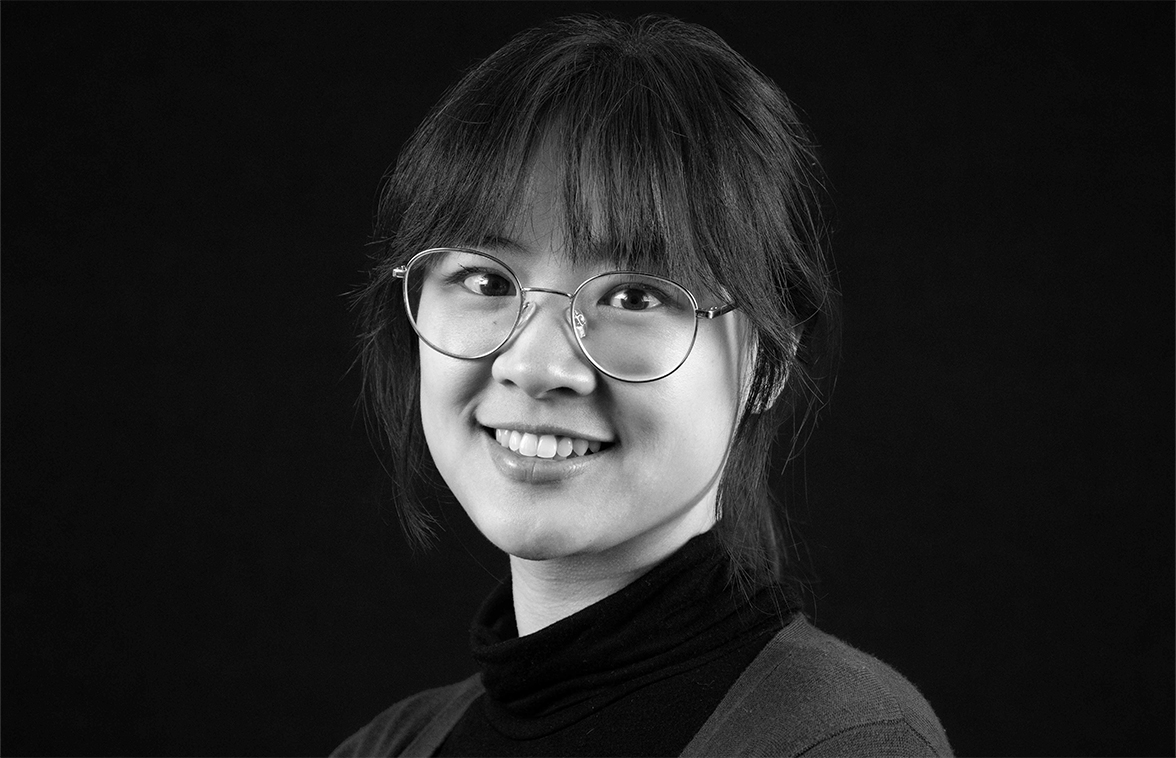


Exploring creativity with Marianne Statt
by Anita Wan
30s Take Aways
No time to read the whole article? Here are the key takeaways in 30 seconds:
How does creativity emerge for Marianne Statt of narra?
For her, creativity arises from the interplay of aesthetics and structure. It develops through the various phases of a project and thrives on the alternation between collaboration and focused individual work.
How are new space and event concepts developed?
The process begins with understanding the message and gathering ideas, images, and thoughts. Through collaborative discussion, these evolve into concepts with a clear direction and identity.
How can you tell if an idea is strong?
A good idea is easy to explain and authentically aligns with the brand. It evokes a feeling that people intuitively understand and remember.
What role does AI play in the creative process?
AI assists with the analysis, visualization, and further development of ideas. However, creative evaluation, originality, and the final decision remain human tasks.
What makes for good interior design?
Successful spaces tell stories, guide people through experiences, and strike a balance between orientation, surprise, and atmosphere. Often, the greatest impact comes from deliberate simplicity.
Why do some spaces stay with us for a long time, while we forget others after just a few minutes? And how does an idea come about that not only looks good but also touches people’s hearts?
Marianne Statt grapples with these questions every day. As an interior designer and founder of the studio narra, she designs spaces that tell stories, bring brands to life, and leave a lasting impression. In our interview, she explains why, for her, creativity is a balance of intuition and structure - and why sometimes less is more.
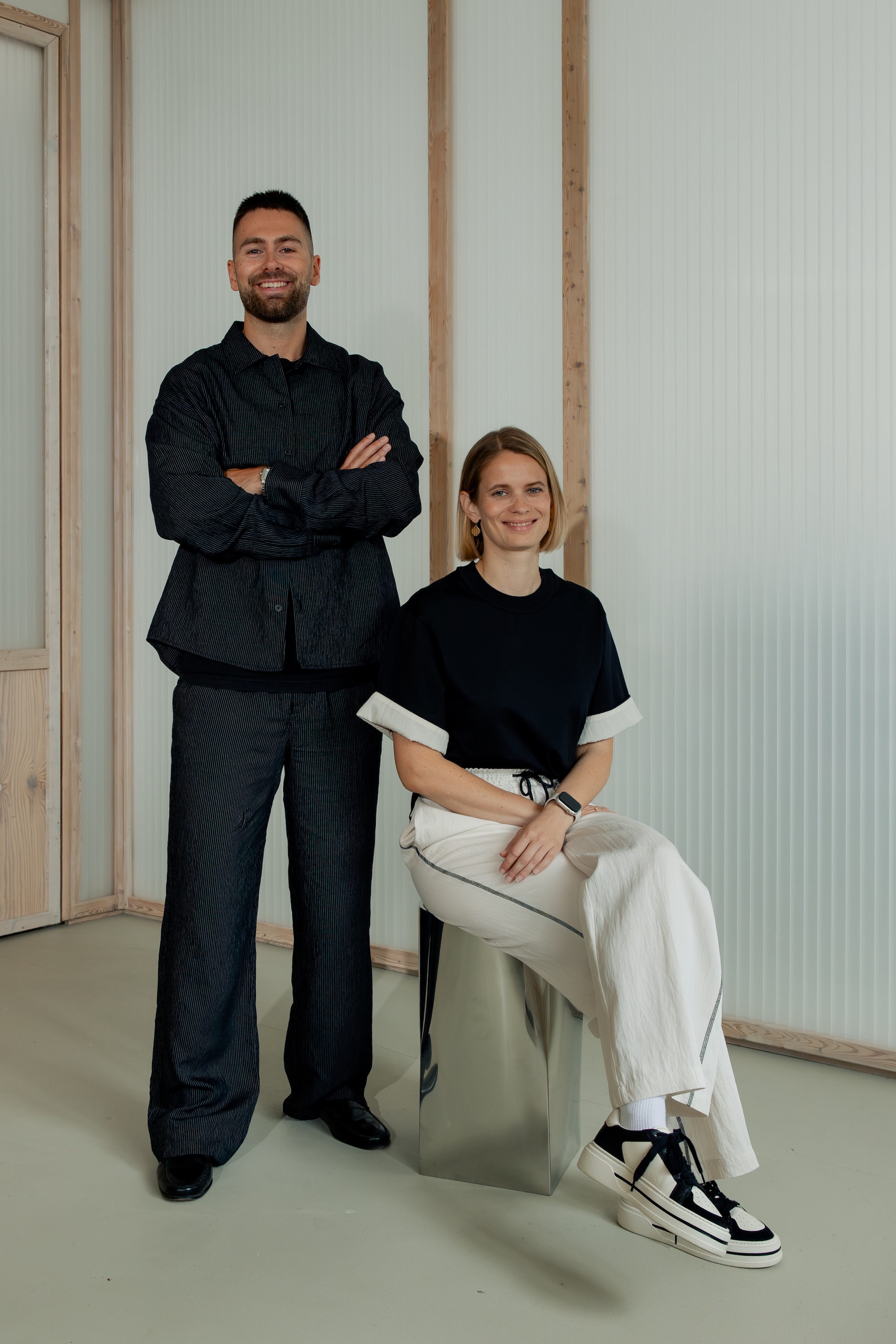
To begin with
Anita: Who are you and what do you do?
Marianne: Hi, I’m Marianne - an interior designer and the founder of narra. We create narrative architecture in space: spaces that don’t just function, but tell a story. We provide a stage for brands, people, and places - whether it’s a trade show booth, event architecture, or the workplace. With my bachelor’s degree in interior design and my master’s in spatial communication, I work at the intersection of design and brand identity. The name “narra” says it all: narrative architecture that conveys values, fosters identity - and, in the best case, stays in people’s minds for a long time.
Anita: How did you get into what you do?
Marianne: My creativity has always been there - it’s just taken different forms. In school, art was my first passion, and math my second focus. Both shaped me: a sense of aesthetics and a sense of structure.
I started my professional career with an apprenticeship as a visual marketing designer - because the practical aspect was always more important to me than pure theory. While I was in school, I started working in the industry early on, dealing with real projects and real people from the very beginning. Every step brought me closer to self-employment. I’ve been self-employed since 2021 - that’s my biggest milestone to date, because it allows me to work in a very self-directed and creative way.
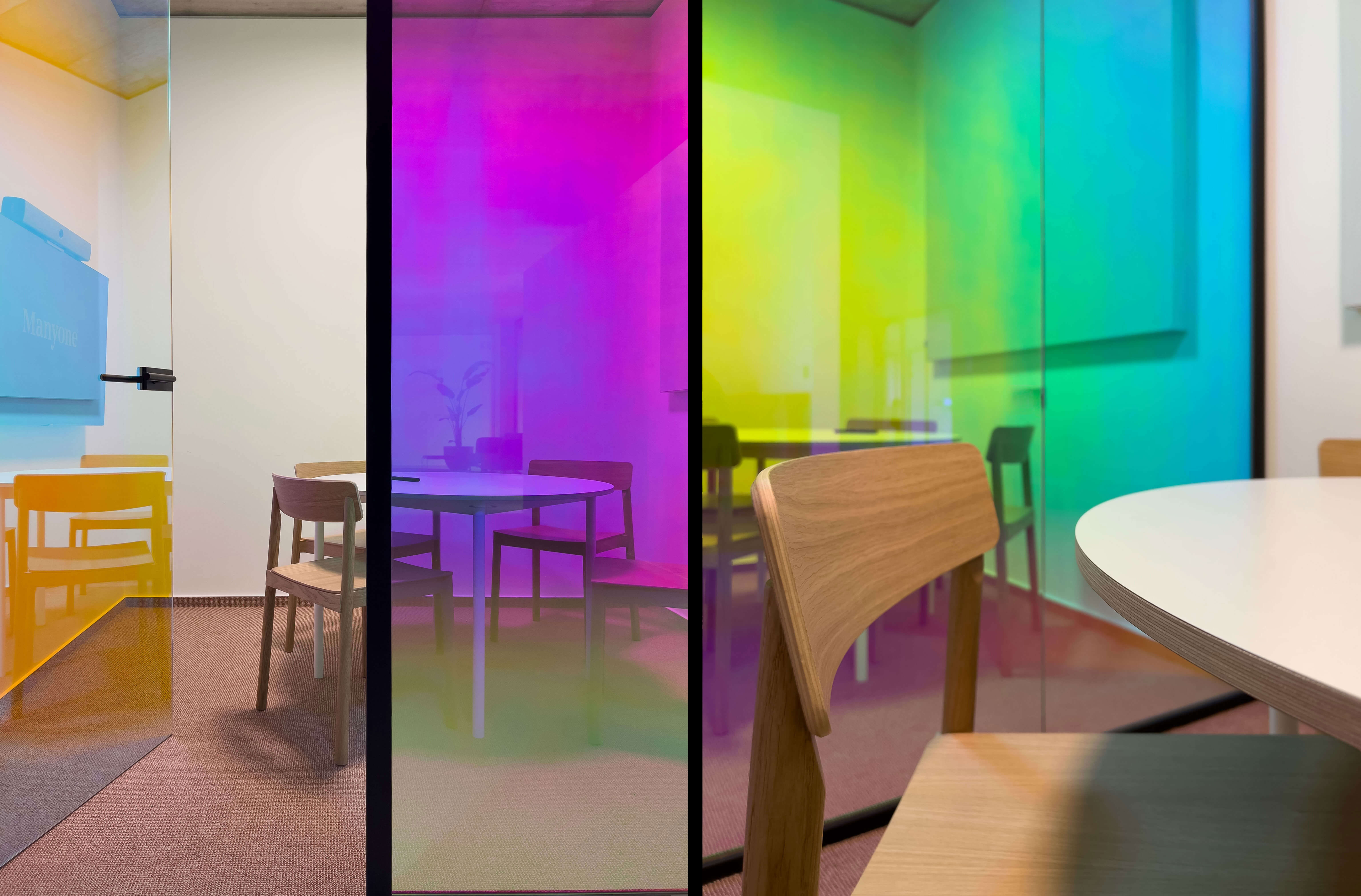
Creativity in Everyday Life
Anita: How would you describe the role creativity plays in your life and work?
Marianne: Creativity isn’t a constant state - it ebbs and flows. In the design process, especially at the beginning, it’s at the heart of everything. During the organizational phases of self-employment, it takes a back seat. I’ve learned to appreciate this contrast.
Anita: When you’re faced with a new project - how do you approach it?
Marianne: With a digital whiteboard - a dynamic board that runs in parallel from the very beginning. Texts, sketches, mood boards, fragments of thought. The team adds to it, organizes it, and distills it. It’s not a one-time step, but a living document that evolves alongside the project.
Anita: Has your creative process changed over the years?
Marianne: Yes - the sketchbook has stayed, but it’s gained some company. Today I work digitally, location-independent, in a team across distances. The tools have changed, but the core hasn’t.
Anita: When would you say you’re in the flow? What defines that for you? And was there a situation where you were completely stuck - how did you get out of it?
Marianne: For me, flow happens either during a conversation - when prepared thoughts meet genuine reactions - or while I’m quietly concentrating on a 3D file. Music and “Do Not Disturb” mode are my most reliable tools for staying focused.
When I get stuck on the content, exchanging ideas helps more than sheer perseverance. Voicing my thoughts aloud, sharing them, and hearing how they sound - that gets me moving again.
Anita: How do you know when an idea is the right one?
Marianne: When I can explain it simply - in a single sentence, an image, or a gesture. If it can’t be communicated simply, it hasn’t been fully thought through yet. Over time, a sense of the brand develops: a feeling that’s hard to describe but impossible to overlook.
Anita: Do you prefer to be creative on your own or as part of a team?
Marianne: Both - one after the other. At the beginning, I need the team: collective wisdom, client insight, and different perspectives. Then comes the phase of quiet concentration. I have to test on my own whether what’s taken shape in my mind actually holds up. In the next step, dialogue and constructive exchange with the team help.
Anita: Have you had any experience with AI in a creative context? How have you been able to use it for yourself?
Marianne: Yes - actively and purposefully. AI helps me analyze briefs, distill large amounts of information, and prepare content as a basis for my own decisions.
It also helps with things like text optimization, image editing, and visualizing designs in real-world contexts - for example, what would a booth look like at a busy trade show? Digitizing product lines, developing variations, and bringing untextured spaces to life with materials and finishes. For me, the limits lie where originality is required: AI-generated ideas are often predictable, and brand identities are rarely interpreted correctly.
Anita: Does the value of an idea change for you if it was created with the help of AI?
Marianne: No - as long as the idea is initiated, evaluated, and decided upon by a human. For me, AI is a tool, just like a 3D program or a pencil. The designer remains the creator, not the tool.
Anita: How do you think we’ll recognize truly original ideas in the future?
Marianne: By a feeling that can’t be explained, but can’t be ignored either. A truly original idea has an inner coherence - one that you can’t necessarily explain, but you can sense. And it’s precisely this sense that remains human.
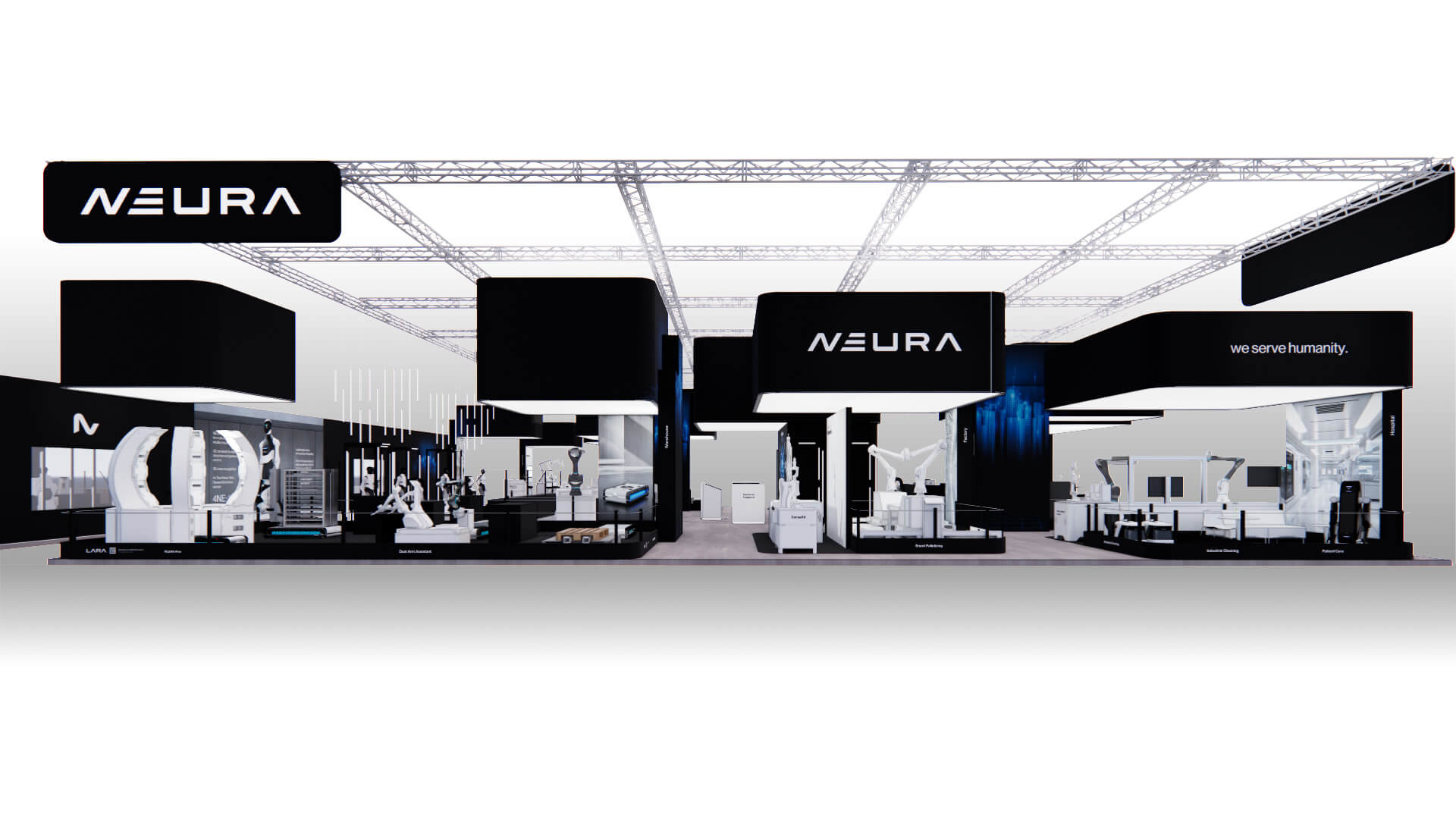
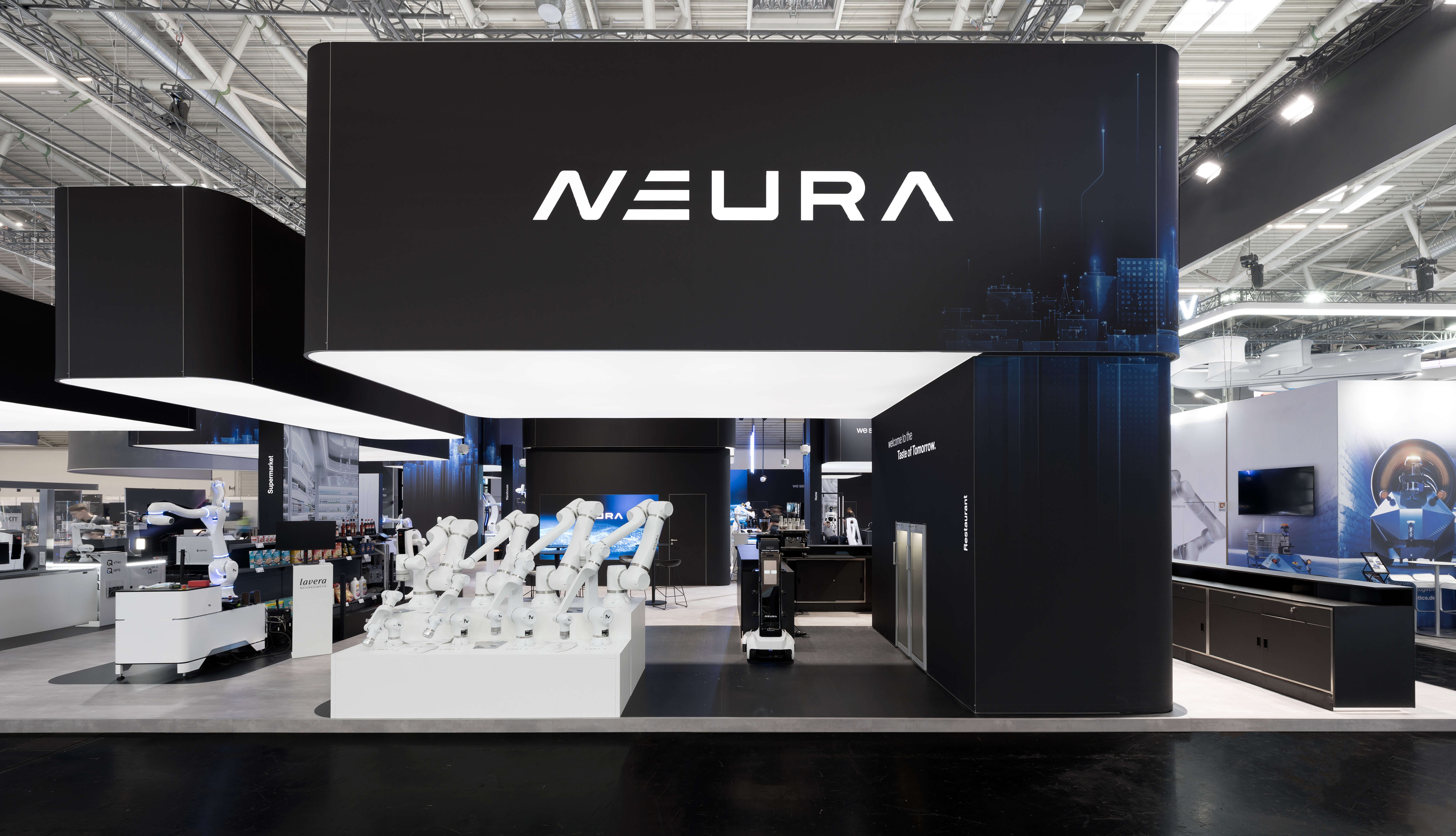
Interior Design
Anita: Do you remember a space that immediately captivated you? Where was it, and what did you sense there?
Marianne: There are many - but one stands out in particular: the 2018 Venice Biennale.
An immersive installation called “Conditions” (Ilulissat Icefjord Center in Greenland) made the extreme conditions of the Arctic physically palpable - right in the middle of the Arsenale.
The sensory experience - combining sound, light, and atmosphere - changed slowly and steadily, leaving a lasting impression.
Anita: How do you use a space to tell a story? What aspects do you consider here?
Marianne: I think in terms of sequences and leitmotifs. What is perceived first, what follows, and how does the experience end? A strong leitmotif - a metaphor, an image, a principle - runs through the entire space and holds everything together. The crucial question is: What feeling does someone leave the space with - and what do they take away from it? Good design is visible, tangible, and memorable.
Anita: How do you ensure that people can find their way around a space while also feeling inspired to explore it?
Marianne: Orientation is created through visual impact from a distance and striking elements such as color - you should know right away where you want to go. Curiosity is sparked by the opposite: bold details, surprising messages, and unexpected combinations that you only discover at second glance.
Anita: Speaking of spatial dramaturgy - what does that actually mean to you?
Marianne: Don’t show everything at once. The right content at the right time - and in my case, in the right place. A space isn’t a poster. It unfolds through movement, through a succession of impressions. To me, spatial dramaturgy means guiding the visitor.
Anita: Are there certain elements that you feel are often overlooked but have a major impact on the spatial effect or the experience? In what areas do you find that you have to convince clients particularly often?
Marianne: Open space. What isn’t there can have just as much of an impact as what is visible. I regularly convince clients to show less - because messages need breathing room to get across. Less is more. Less is hard.
Anita: Was there a project where the circumstances almost worked against you - and yet it turned out to be something special in the end?
Marianne: Small spaces, tight budgets - I know that well. But that’s often when the strongest solutions emerge: dual-purpose spaces, radical reduction, simple materials with consistent design. I see constraints as an invitation to creativity.
Anita: At Narra, you design a wide variety of spaces, from work environments to brand spaces to installations. Does your approach change depending on the context? What do you focus on in each case?
Marianne: The approach remains the same: We work our way toward the core of the message - and from there, into the space. Whether it’s a trade show booth or an office environment: Beauty without identity doesn’t interest us. The “why” is always at the beginning of every story.
Anita: What role does movement play for you? How people move through a space?
Marianne: A central role. Movement determines when certain information makes an impact and what feeling it evokes. Even when the visitor journey is designed as a free-flow experience - that’s a conscious decision that shapes the space.
Anita: Is there a line between design and staging for you? Which do you value more?
Marianne: For me, it’s a fluid transition. Design is usually functional, while staging is more emotional - it has to make an impact, not just work. The focus shifts depending on the project and the client. Both have their value and importance.
Anita: What noticeable changes have occurred in (event) space design in recent years?
Marianne: Sustainability is structurally transforming the industry - and I can really feel that in my project work. There are fewer, but more thoughtful installations: designed to be modular, reusable in a series, and built to last. This places higher demands on execution, material selection, and conceptual depth. For us at narra, this is an opportunity: less volume, more substance. Storage, reusability, and timelessness are now integral to the process from the very first design concept.
Anita: What haven’t we asked, or what have you always wanted to say about creativity…
Marianne: Spaces are an underrated medium of communication. Major brands invest enormous energy in corporate design, campaigns, and content - but the space where people truly experience a brand is neglected. It’s the only medium that appeals to all the senses at once and from which you can’t escape the impression it creates.
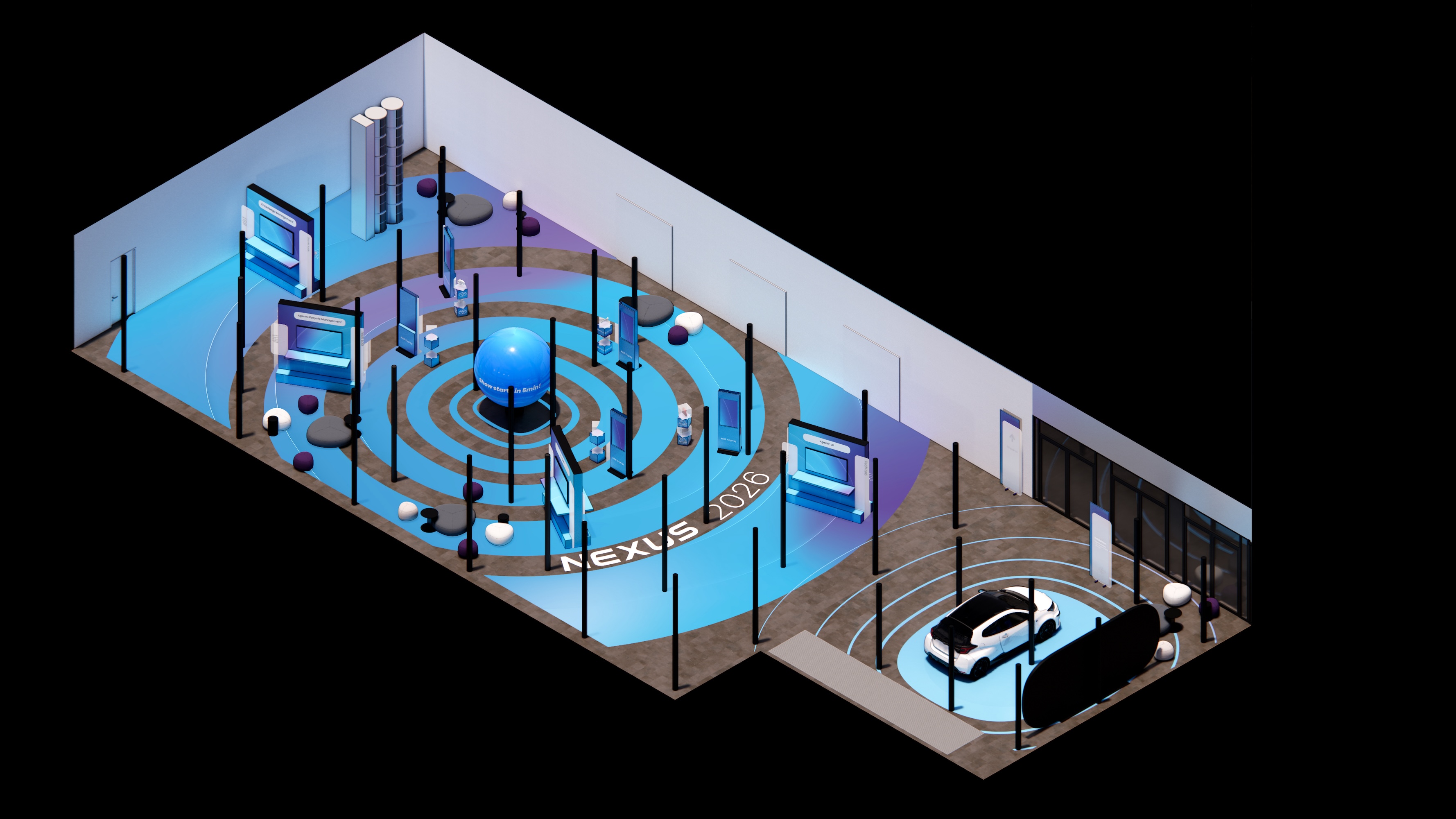
The conversation with Marianne clearly shows that strong ideas need not only design but also a clear message that resonates with people. Whether it’s a spatial concept, brand presentation, or the use of AI - in the end, it’s attitude, perspective, and human intuition that turn a good idea into an experience that lingers long after it’s over.
Thank you so much, Marianne, for the fascinating insights into your way of thinking and working!
About Marianne Statt
Interior Designer, Founder & Expert in Narrative Architecture
Marianne Statt designs spaces that do more than just function - they tell stories. As an interior designer and founder of the studio narra, she combines spatial design with brand identity to create trade show booths, event architecture, brand spaces, and work environments that resonate emotionally with people and leave a lasting impression. At the heart of her work is the question of how messages can be experienced spatially. She combines creative thinking with strategic clarity to develop concepts that bring together orientation, atmosphere, and experience into a cohesive narrative. For her, space is one of the most powerful communication media—because it appeals to all the senses and makes brands immediately tangible.
Focus Areas: Narrative Architecture, Brand Spaces & Trade Show Design, Event and Space Concepts, Work Environments, Spatial Dramaturgy, Identity and Brand Design, Visitor Guidance & Experience Design, Sustainable Space Concepts