

Exploring creativity with Philipp Reimer
by Beke Alberring
30s Take Aways
No time to read the whole article? Here are the key takeaways in 30 seconds:
How does Philipp Reimer view creativity in event photography?
For him, creativity arises in the moment itself - through careful observation, quick reactions, and the ability to recognize small yet significant situations.
What role do planning and intuition play in the creative process?
In event photography, Philipp works primarily by intuition. Preparation gives him confidence, but what really matters is his spontaneous reaction on the spot.
Why is event photography considered particularly challenging?
Events are one-time occurrences. Every moment is unique - emotions and atmospheres must be captured at just the right moment.
What helps when you hit a creative rut and need some fresh inspiration?
That’s when you should focus on the details: gestures, glances, and background scenes often convey more atmosphere than large-scale subjects.
What role do AI tools play in Philipp’s workflow?
AI primarily supports efficiency and image editing. Creative visual concepts continue to be generated by real people, situations, and observations.
Creativity is found in many things: in the written word, in powerful concepts, and not least in photography - especially in event photography, where images convey more than what meets the eye. In the second part of the series “Exploring creativity”, Beke talks with our longtime photographer Philipp Reimer about how creative processes emerge, where he draws his inspiration from, and how he approaches new projects. It becomes clear that creativity isn’t just evident in the finished image, but in many small decisions - in an eye for detail and in the question of how impressions can be translated into visual stories.
Creativity in everyday life
Beke: What does creativity mean to you personally?
Philipp: To me, creativity means being able to interpret the things I see in the way I want to. I’ll be walking somewhere, see something - like a picture I like - and create things exactly the way I want them to be.
Beke: What inspires you in everyday life and at work?
Philipp: I get a lot of my inspiration from YouTube and the social media apps TikTok and Instagram, because I spend a lot of time there. So for me, there’s no distinction between everyday life and work. At work, I put into practice the creativity that I absorb in my daily life by watching videos.
Beke: When do you feel most creative? Are there certain moments or even times of day?
Philipp: I usually feel most creative in the evening or even at night, because that’s when I unwind after a workday and have time to myself. The internet is a bit quieter then, there are fewer distractions, and that’s when I can let my creativity flow. I read articles, watch videos, and keep learning - and that’s where I develop my creativity.
Processes and methods
Beke: How do you approach a new creative project? How much of it is intuition and how much is planning?
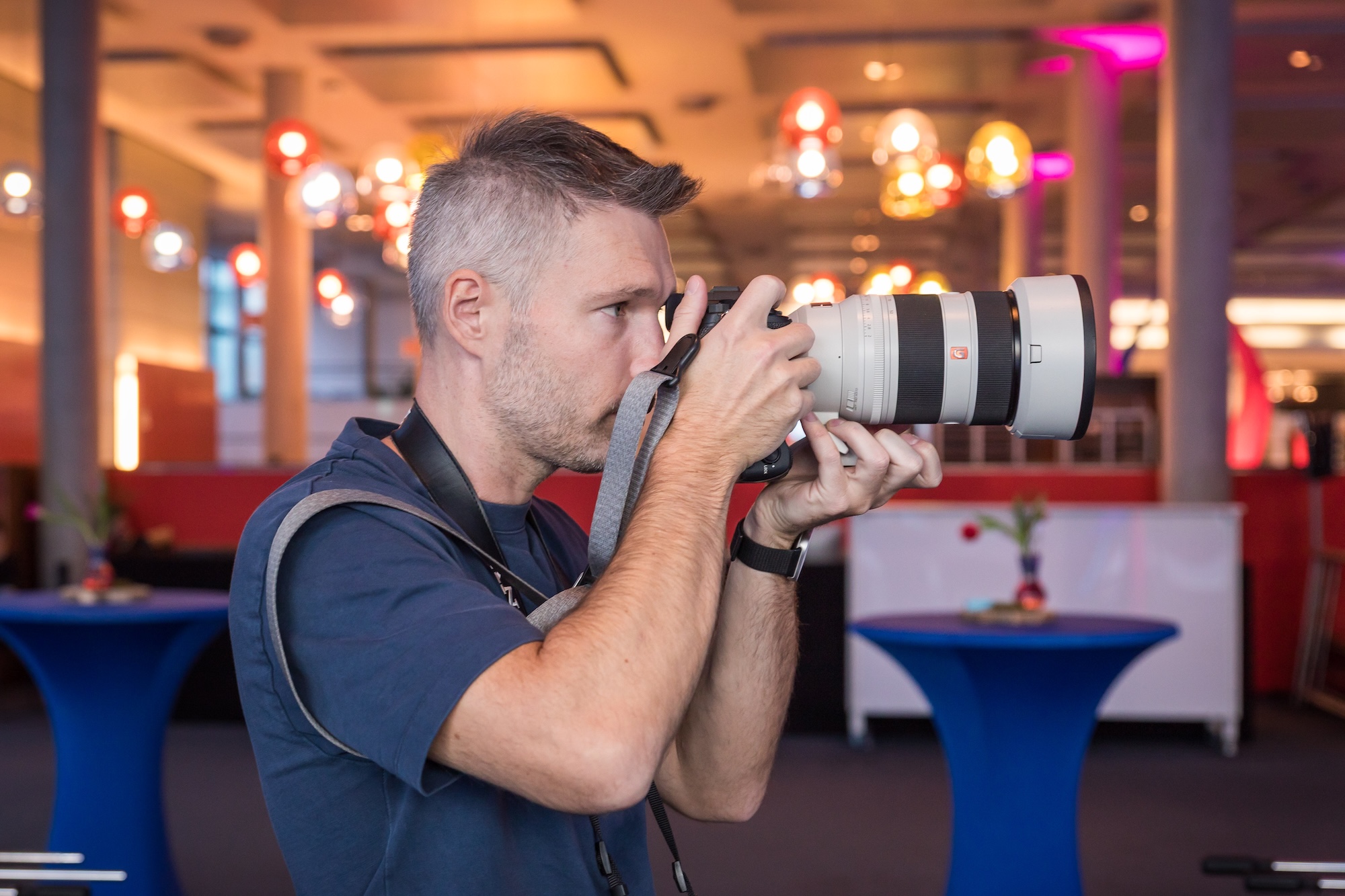
Philipp: In my field of event photography, it’s 90 percent intuition and reaction and 10 percent planning and preparation. Of course, I need the right equipment for the images I want to capture, but everything else is more or less left to chance. I’m just there to capture that chance as best as I can.
My approach is actually always the same: I usually don’t prepare much in terms of content because I want to let the project or event sink in directly. Of course, I go through my equipment before a job. Charge batteries, check cameras, format cards, and lay out my outfit. I like to have everything in the car or by the front door the night before so I can drive off right away. That gives me the peace of mind of being able to check a few things off my to-do list right away. Then I let the location inspire me on site, and if I don’t know the location yet, all the better - then I have fresh perspectives. If I already know it, I try to come up with new angles every time to bring in some variety.
Beke: Is your intuition something you can replicate, or is it more of a one-time moment?
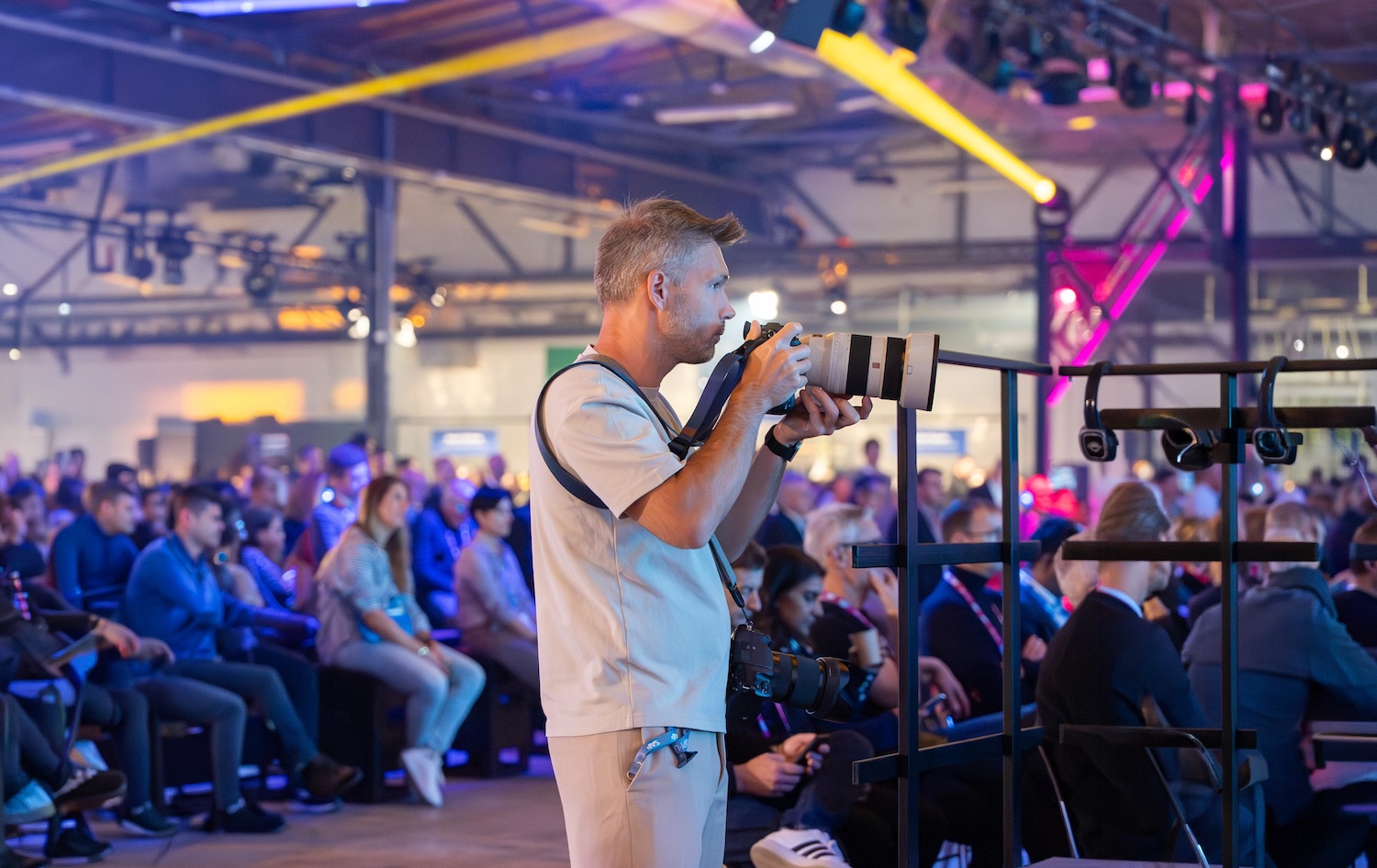
Philipp: At an event, nothing is really repeatable. That’s why event photography is one of the most complex areas of photography. There’s no “second chance.” I just try to capture as many beautiful moments as possible.
Beke: What do you do when you hit a wall - when the creative flow isn’t there?
Philipp: When I photograph the same event at the same location over and over again, it’s hard to come up with new, fresh images. My personal goal is always to avoid repeating what I did last time and to introduce a small variation instead. Sometimes I don’t succeed, because I’ve been doing this for almost 20 years now and have basically photographed everything in every conceivable way. But I’m only human, after all. There are limits to what I can do to make the photos turn out well. If the location doesn’t look good, or no one is smiling - then unfortunately, I can’t change that. I can only try to make the best of it anyway and perhaps focus on smaller details to convey the mood through them.
Creativity and AI
Beke: What role do AI tools play in your creative work and how do you see them evolving in the future?
Philipp: AI tools don’t really change my workflow at all. It’s not necessarily something that has to do directly with creativity, but rather with workload and time spent. In post-production, I become more efficient and sometimes have the ability to implement things that were either impossible before or would have been very costly. In my field, I definitely see AI as a catalyst: I work faster, more efficiently, and can deliver better results to clients. When it comes to image selection, the programs still aren’t quite there yet, but they’ve improved significantly in terms of editing. For image ideas, I tend to look to real photographers rather than having AI generate something for me - after all, AI has only been trained on real photos.
Creativity in Photography
Beke: How would you describe your photographic style? What makes a good photo for you?
Philipp: I create stories by capturing reality. The mood and the feeling are already there - I just try to capture and freeze that feeling and mood so that even a third party can look at it later and literally feel the atmosphere through my photo.
Beke: Are there any photographic styles, motifs, or angles that you keep coming back to?
Philipp: Yes, definitely. Over the course of my many years of experience, I’ve developed a certain style of photography, and of course I keep coming back to it. In terms of style, I’d describe it as getting very close to the action and capturing emotional images of events. I make sure the images have a nice blurred background, that people always look happy and friendly, and that the energy of the event comes through clearly.
Beke: Which photographers or artistic movements have influenced you?
Philipp: I’m actually self-taught when it comes to photography. I studied digital media in Mannheim and picked up a few basics there, but generally speaking, I’m not someone who strictly follows rules like the golden ratio. I take photos the way they look good to me. In many cases, this unconsciously follows established rules - not because I want to follow them, but because I have the same aesthetic standards. I probably break rules sometimes because I don’t even know them - but even after almost 20 years, I’m still learning new things from colleagues or on social media. I’m much more interested in how other photographers capture events than in a rule written in a book.
Beke: What makes the decisive difference in a photo for you - the moment, the light, or the perspective?
Philipp: I feel like I have a 360-degree view - I can take in so many things happening at once in a space and notice little details that perfectly capture the mood. For example, if someone in a huge crowd smiles at another person or makes a distinctive hand gesture, and I catch just that out of the corner of my eye - then I take a picture of it. It’s actually always a combination of all three at the moment, but the main factor is usually the moment itself. When the light and perspective are right too, a great photo becomes a truly amazing photo.
Beke: Do you have an image in your head before you press the shutter button?
Philipp: That’s very rarely the case for me, because I mainly photograph events and react to my surroundings. Of course, I know what kind of photos the client wants - based on the briefing or my experience - but it’s not something I actively work toward. When it comes to business portraits, headshots, or planned
shootings for real estate, then of course I have a very clear image in my head of how I want something to look, and I execute it accordingly.
Beke: Where do you see creativity in photography most strongly - in the act of seeing, in the moment, or in dealing with the result?
Philipp: Right now, the strongest feeling comes when I’m on location and find a composition where a person or subject looks really cool with the light and what’s happening in front of the camera. That’s the moment when I’m truly happy - because I immediately realize that the photo is special. Something is out of focus in the foreground, the light is falling just right, or there’s some other striking element. The result is actually already finished at that moment, right after I press the button.
Beke: When is a photo finished for you?
Philipp: For me, a photo is actually finished the moment I press the shutter button. I’m someone who photographs genuine moments - I don’t swap out backgrounds and I very rarely retouch things out. The framing can be adjusted slightly afterward, but the actual photo is already finished at the moment it’s taken.
About Philipp Reimer
Photographer, Visual Storyteller & Content Creator
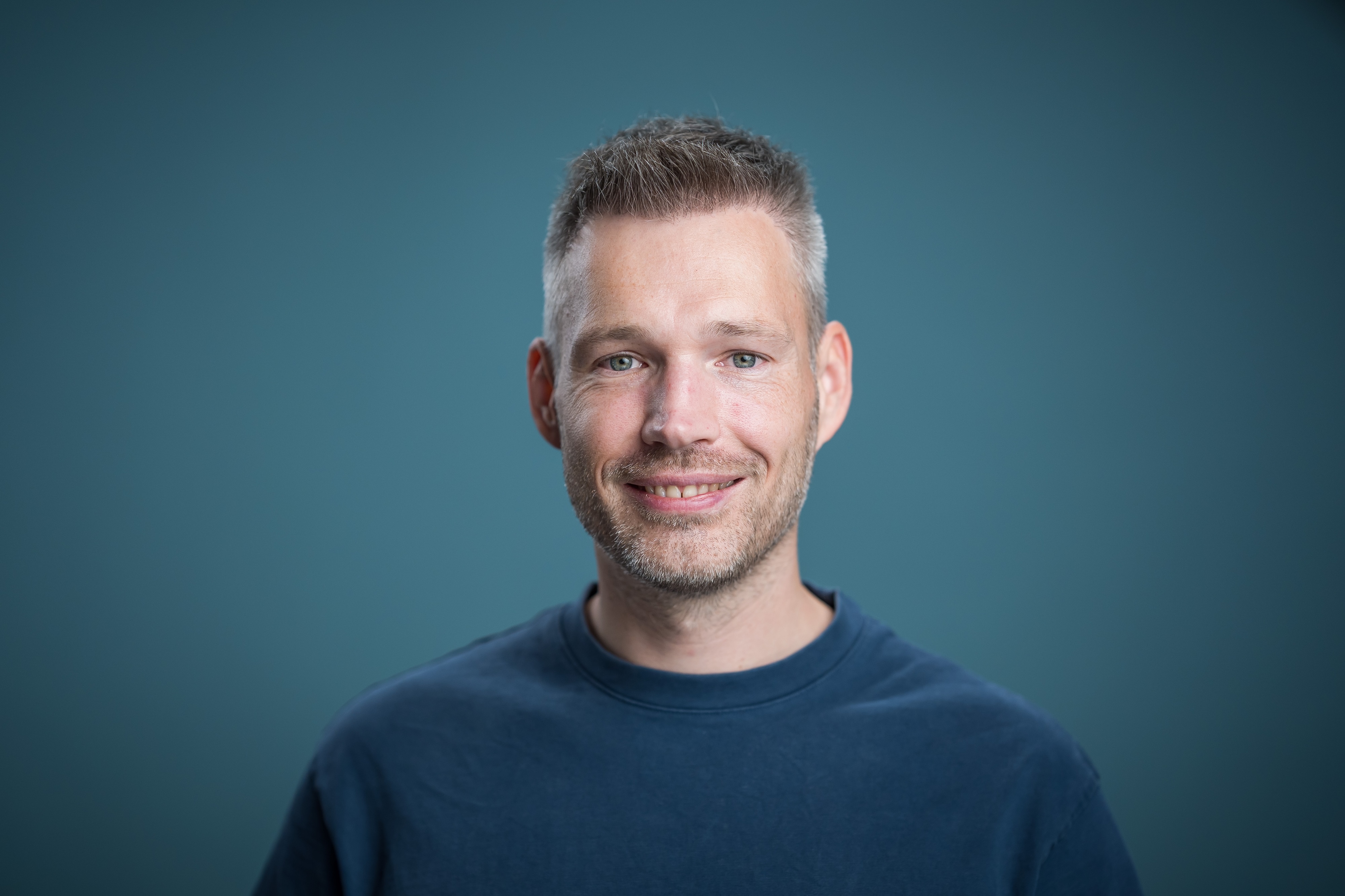
Philipp Reimer has been working as a photographer for over 20 years and specializes in event, business, and documentary photography. Whether it’s a major international event or a smaller-scale project, he knows how to authentically capture the atmosphere and bring special moments to life visually. His goal: to create images that don’t just document, but make an impact. With a keen eye for detail and atmosphere, he develops visual narratives that effectively convey events and brands - from the live experience to their subsequent use in communications and social media.
Focus areas: Event photography & photojournalism, business and brand photography, visual storytelling, architectural and editorial photography