Exploring creativity with Freya Bußmann
by Beke Alberring
30s Take Aways
No time to read the whole article? Here are the key takeaways in 30 seconds:
How does Freya Bußmann view creativity in the context of events?
For her, creativity means making connections between ideas and translating messages into emotional, immersive event formats.
How do creative ideas come about in the event industry?
During quiet moments and in the spaces in between, as well as through external influences such as architecture, urban impressions, and interactions with others.
How does the creative process work for event projects?
The process begins with understanding the brand and the objective; ideas are then quickly visualized and developed in a structured manner.
What makes for successful team creativity?
Diversity, open communication, and being open to ideas - even unusual ones. Friction within a team often leads to better results.
What role does AI play in the creative process?
AI acts as a catalyst and sparring partner, helping to develop ideas further - but the creative process remains human.
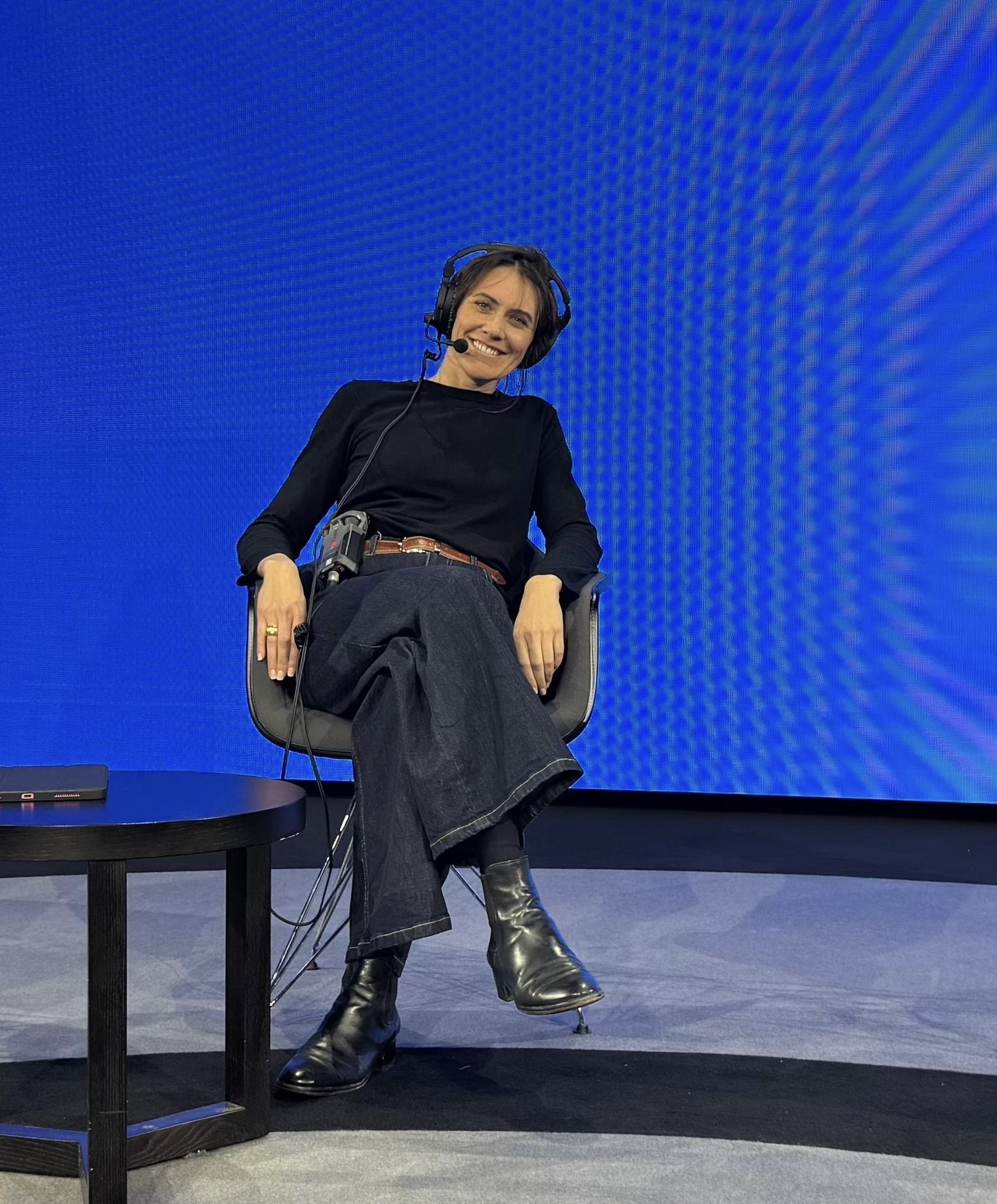
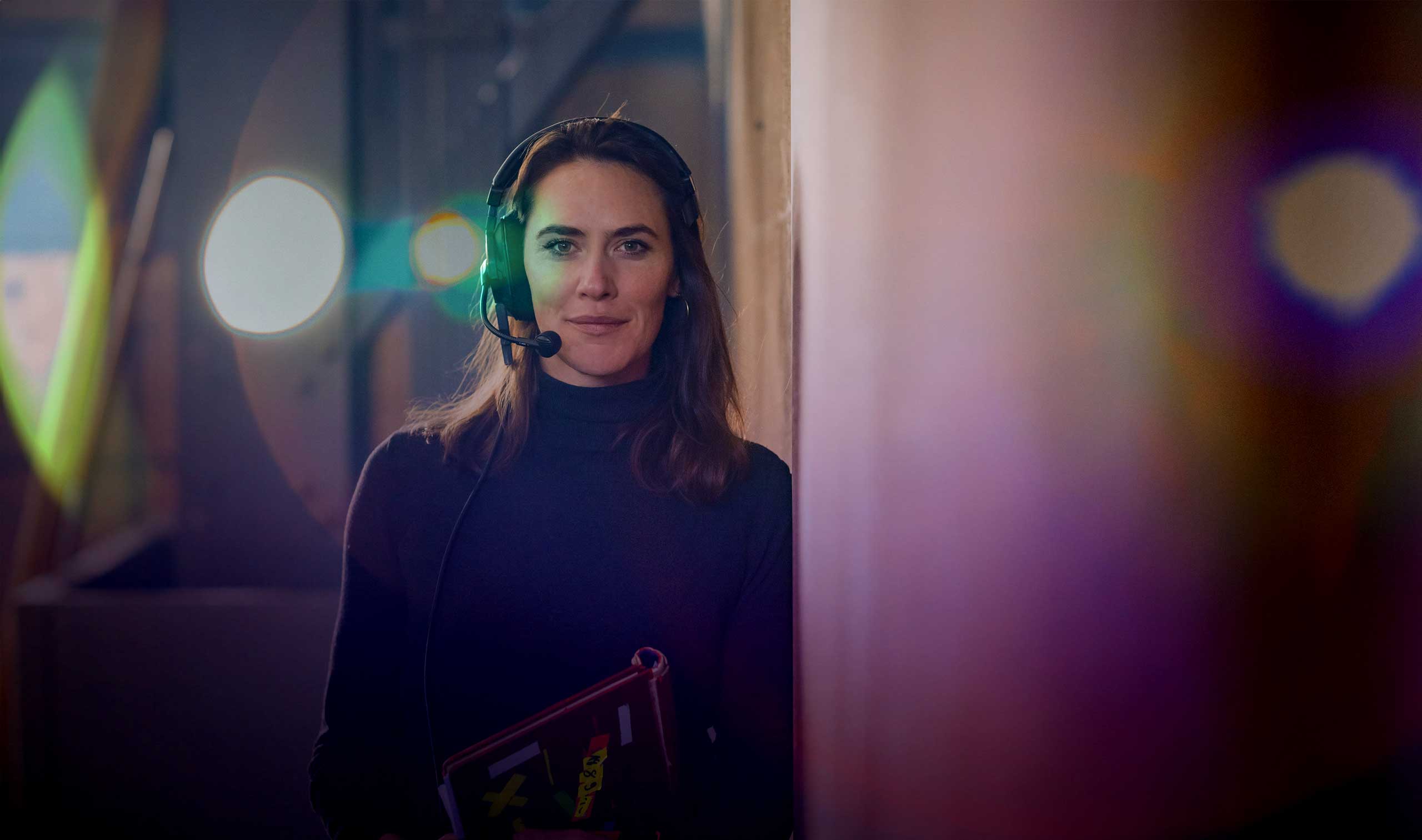
In our series “Exploring Creativity,” we approach the topic of creativity in a wide variety of ways. We spoke with Freya Bußmann, an experienced event director who has ensured that our events run smoothly - whether on stage, behind the scenes, in front of the stage, or off to the side - at several of our events. As a creative bridge between concept, production, and staging, she has a unique perspective on creativity - combined with her keen sense of timing, dramaturgy, and on-stage dynamics, these qualities make her the ideal person to talk to about bringing visions to life.
Creativity in everyday life
Beke: What does creativity mean to you personally?
Freya: Creativity... that’s such a big word. In terms of our work, to me it means the ability to boldly connect the dots - dots that, at first glance, might not necessarily have anything to do with each other. In the event industry, that means, specifically: How do I translate this one key message into an experience? Something that grabs people emotionally and - ideally - truly stimulates all the senses and sticks in their memory.
Beke: When and how do you get creative inspiration - are there typical moments, places, or influences?
Freya: It varies a lot, if only because the profession involves such diverse challenges and lacks any real structure that stays the same from day to day. Often, though, ideas come to me early in the morning, when the world is still asleep, before the daily email grind begins and my mind is still clear. But they also come to me in those in-between moments - on the train, while looking out the window, or right when I’m not actually doing anything “active.”
At the same time, it’s mainly external stimuli that inspire me. Architecture and the dynamics of public spaces, new graffiti, or installations are things I subconsciously store away and recall later. That’s why I love Cologne - the city is simply alive!
When it comes to the work itself, it’s above all the joy of diversity and the constant exchange that keeps providing fresh inspiration. I consider it a true blessing to be able to work with such a diverse range of creatives, clients, and partners. This dialogue keeps things alive.
Processes and methods
Beke: How do you approach a new creative project, and what specific tools or methods help you with that?
Freya: For me, it always starts with listening and understanding. It’s about grasping the essence and spirit of the client. Looking at their ads, website, visual language, or other materials really helps me get a feel for the brand’s world and its language.
Everything I’m feeling in that moment has to come out first so that I can develop a genuine sense of the client. Here, I use whatever works best at the moment to make the idea tangible. Sometimes it’s a mood board; sometimes it’s just targeted image research online when I have a specific visual anchor in mind - like a cool setting I once saw somewhere. These days, I also often use AI to quickly test out image ideas or text.
In the end, everything gets organized - for example, in PowerPoint or tools like Trello. I then simply run through the process in my head over and over again to see if the overall feel is right from start to finish.
Beke: What do you do when you hit a wall - when the creative flow just isn’t coming?
Freya: When I’m pressed for time, I trick my brain for a moment: tilt my head back, rub my hands together, and focus briefly on something completely different. That breaks the mental block. If I have more time, exercise is my absolute lifesaver - I just discovered spinning (the ultimate millennial classic, after the Reformer and the holy espresso machine 😉). Headphones on, resistance up, and I clear my mind completely.
That puts me in that state where you’re supposedly doing nothing, while your subconscious is busily rewiring everything in the background. Afterward, things usually fall into place on their own. And what always works: TURN ON THE MUSIC, no matter when or where.
Creativity in a Team
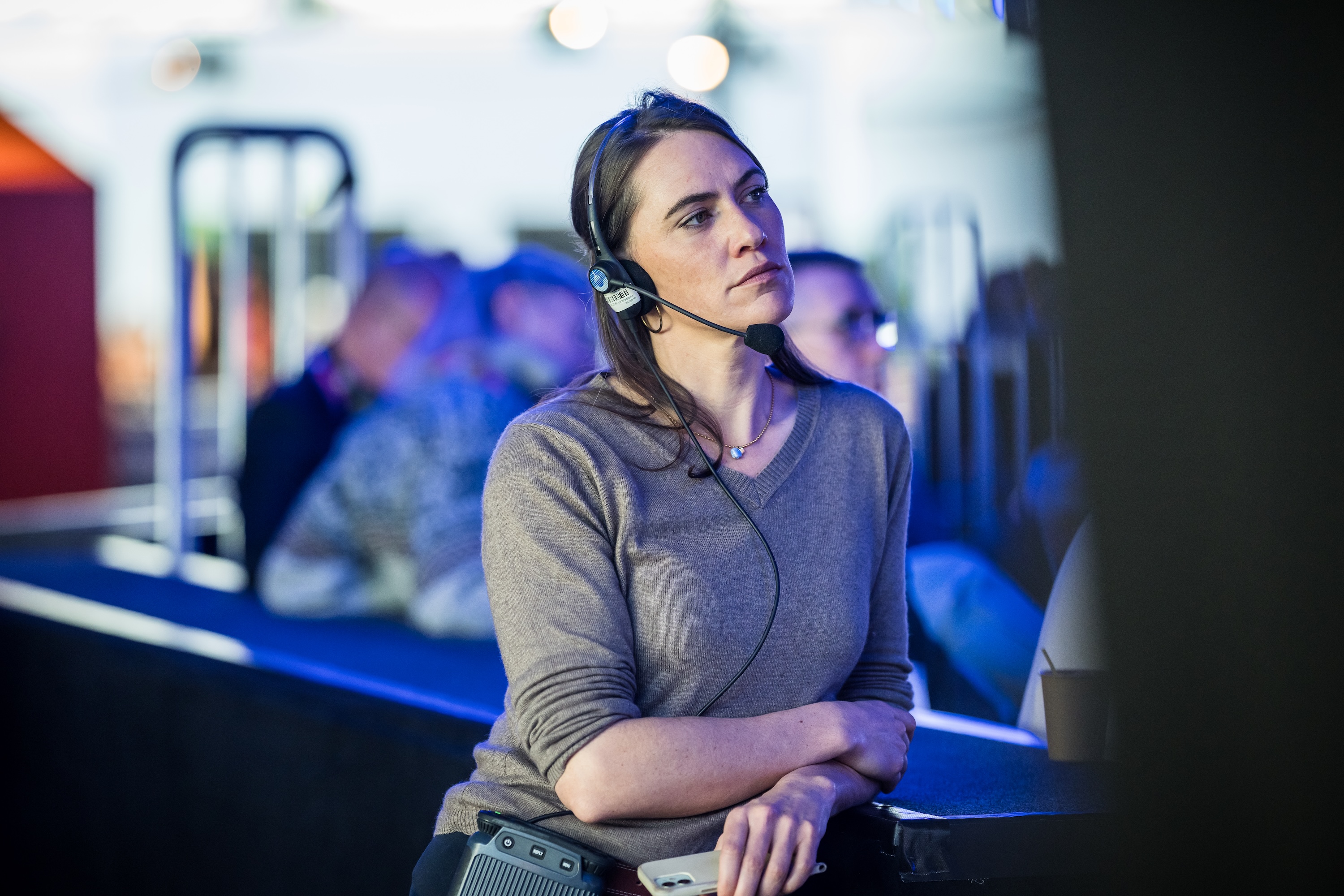
Beke: What do you think it takes for creativity to flourish within a team, and what makes an environment truly creative in your view?
Freya: For me, a creative environment thrives on diversity. We all have different areas of focus, interests, and perspectives - and it’s precisely this diversity that needs to be given a voice. To me, a team is like a good playlist: it’s all about the mix. For me, that also includes interacting outside the traditional “bubble” - whether professionally or personally. Talking to people who have different jobs, perspectives, or areas of focus, and who are passionate about completely different things, is inspiring. Staying open-minded and exploring new things - like going to see a play, even if it doesn’t appeal to you at first. Not saying “no” right away. In short: diversity!
At the same time, we need a space where everyone feels comfortable voicing ideas - even the seemingly absurd ones - without immediately being met with the “it’s not possible because of the budget” excuse. If you kill the idea too soon, you kill the process. And I like a healthy dose of friction. Friction generates heat, and heat is energy. When we challenge each other constructively, we often come up with things we’d never have thought of on our own, sitting alone in a quiet little room.
Creativity and AI
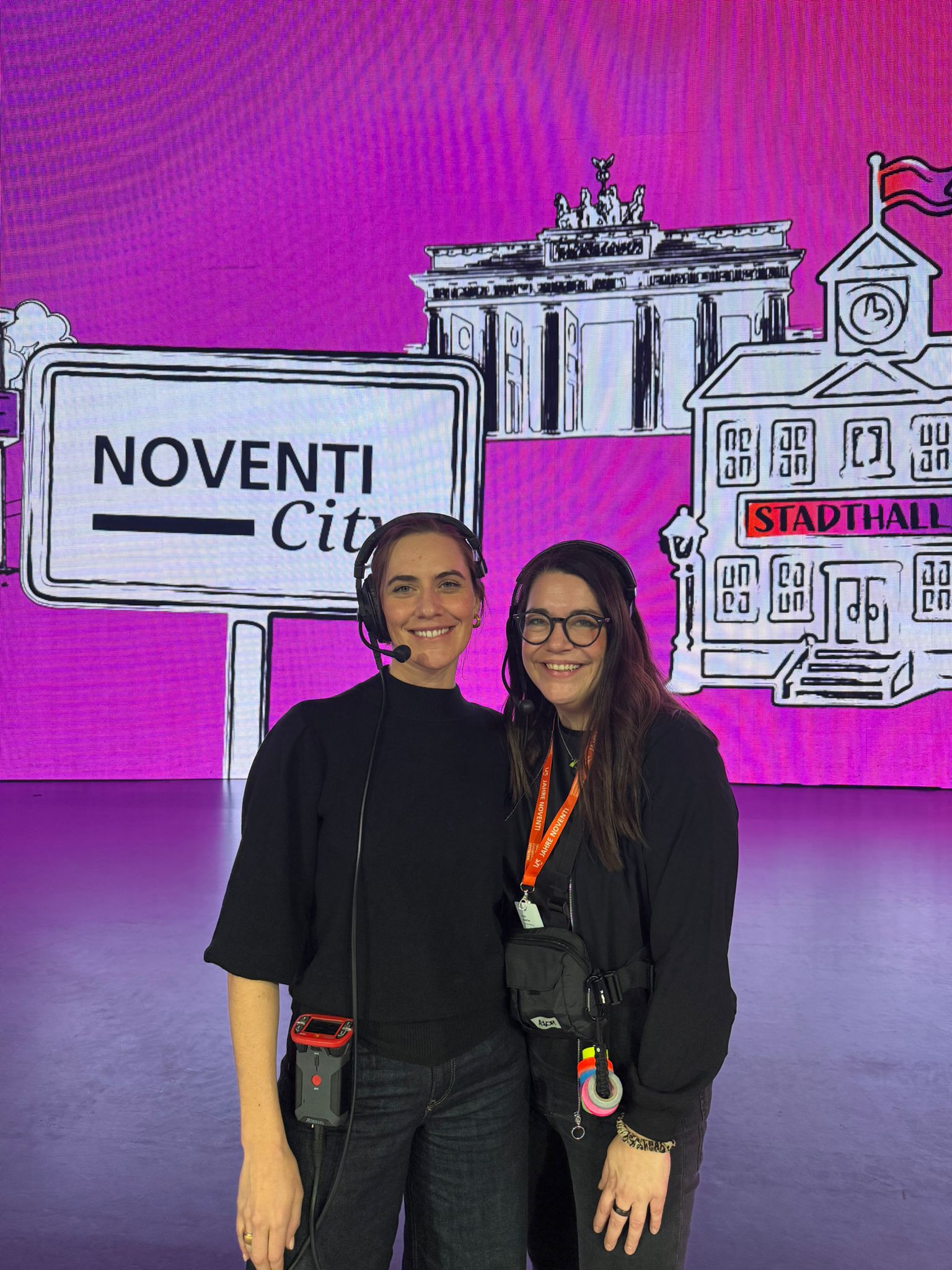
Beke: Have you already worked with AI tools in the creative field? If so, how, and for what kinds of tasks?
Freya: Absolutely. I use AI mainly for visual communication. I used to painstakingly piece together mood boards for stage designs from countless stock photos - now I generate some of these images myself.
At first, I was a bit disillusioned when it came to pure brainstorming, but AI has since become a valuable sparring partner for me. I use it for storyboards and, above all, for developing ideas further—not necessarily for the initial concept, but for refining it. My latest discovery here is definitely Gemini. Compared to ChatGPT, the results currently feel more coherent and intuitive to me. It helps enormously in refining an idea and thinking it through consistently.
Beke: How is your creative work changing as a result of using such tools, and how do you see the future in this regard?
Freya: For me, AI is above all an accelerator - just as the internet or WhatsApp were in the past. It takes the manual labor off my hands and creates space for the strategic. Admittedly, at the current pace, it’s hard to keep up on your own. To ensure that the “wow moment” doesn’t become overwhelming, I use resources like the “Wunderpanik” podcast to stay up to date and use AI as a real sparring partner. But one thing remains: the emotional drama and the feel for the moment in the room are - and will always be - handcrafted!
Beke: Does it replace or complement? Do you see AI more as competition or as a creative catalyst?
Freya: That’s a tough question… I think it’s both, depending on how you look at it. But for us humans, it’s probably best to see it as a catalyst - while still always maintaining a critical perspective. AI means change, first and foremost, and that requires courage because it forces us to evolve along with it.
Here’s how I see it right now: AI is like an extremely fast intern who churns out 1,000 ideas in 10 seconds. But curating and breathing “life” into them remains our job. An AI expert once told me, “AI will never see a ball as a chair” - but we do. We can repurpose things, think outside the box, and interpret things emotionally. We’ll see if that changes someday, but right now, that’s exactly our greatest strength.
Beke: What was your most surprising or helpful “aha” moment with AI in the creative process?
Freya: My biggest “aha” moment was realizing just how incredibly fast AI learns - depending on how it’s structured and where it’s integrated. The speed is absolutely impressive. At the same time, though, I also had an important moment of disillusionment: realizing that AI can “hallucinate” on a massive scale. You can never rely on it 100% blindly; it’s no substitute for your own judgment or a final fact-check. That moment made it clear to me: AI provides the horsepower, but the steering and responsibility for the result remain with us humans. At least in our context.
Creativity in Structuring - “How Does Creative Structure Emerge?”
Beke: How do you create structure - both in creative processes and when launching a project?
Freya: By setting guidelines. For me, structure is the framework that makes creativity possible in the first place - and that starts long before the first day of work. The entire team needs to be brought on board early on, because only when everyone truly understands what we want to achieve, the timeframe we’re working within, and why we’re taking this approach can we get off to an efficient start. A project isn’t a solo effort - it only works if the preparation creates a common foundation that everyone on the team can rely on.
When things get hectic, it helps to take a bird’s-eye view: sort through the issues, focus on the big picture, and, above all, establish clear points of coordination. The goal is to create a framework in which all partners know where the journey is headed - and can still freely develop within those boundaries.
Beke: What tools help you lead creative teams in a structured way?
Freya: In PPT, for example, I like color codes, person tags, and to-do buttons. That way, you can make the current status immediately visible to everyone. It’s important to have a central hub for all the material - from AI research to the image library. I think Miro is great for getting started - it lets you brainstorm freely and then transfer the ideas directly into the presentation.
Beke: What’s your favorite phase of project planning - and why?
Freya: As a production director, my heart races the most when we enter the critical phase of implementation. That’s when everyone involved - from the operator to the booth builders to the performers - comes on board, creativity takes shape, and the show slowly becomes a reality. It’s the moment when theory becomes practice and every single person finds their place and their importance. When all those little pieces come together to form this one big whole - that’s pure magic to me.
Beke: How do you stay flexible within tightly scheduled workflows, and where do you see creativity coming into play, especially in situations that seem purely organizational?
Freya: There has to be room for spontaneity even within tightly scheduled workflows. A production plan is the foundation, but no matter how tightly scheduled everything is, it’s only on set that you can really see whether the transitions flow smoothly and everything fits together properly. If something doesn’t fit, I believe it takes courage to adjust processes and components even under time pressure. For me, creativity isn’t just about creating something beautiful, but also about finding new approaches under pressure so that the final result inspires people despite the challenges
Especially when problems suddenly arise, you have to be able to solve them creatively. When the budget is suddenly cut or a speaker drops out, logistics becomes pure creativity. For me, it also shows itself in the small details - in this “everyday creativity.” Often, it’s the small touches that have a huge impact and make a project special.
If you’d like to learn more about creativity, be sure to check out the two previous installments of the series “On the Trail of Creativity.” In Chris Cuhls’s article, we learned all about scene direction as the foundation for precise sequences, clear dramaturgy, and impactful moments, and in the article with Philipp Reimer, we explored how to capture those moments on camera. Have fun as you set out on the trail of creativity!
About Freya Bußmann
Event Director, Dramaturg & Consultant
Freya Bußmann develops and directs events that transform ideas into memorable experiences. As an event director, she combines dramaturgical thinking with operational precision and oversees projects holistically - from conceptual development to on-site execution. Her focus is on staging content in a way that evokes emotion, is clearly understandable, and functions seamlessly through the interplay of technology, the stage, and people. In doing so, she sees herself as a creative bridge between concept, production, and staging - with a keen sense of timing, dramaturgy, and the dynamics on stage.
Focus areas: Event Direction & Showcalling, Dramaturgy & Staging, Concept Development for Live and Corporate Events, Pitch and Content Development, Cross-Functional Coordination & On-Site Implementation